In short: Gran Canaria is called a miniature continent because dunes, pine forest, ravines and a real city all sit on one round island. The three must-sees are Las Palmas, the mountains around Roque Nublo and the Maspalomas dunes. For the mountains you need a rental car.
At a glance
- Must-sees: Las Palmas, Roque Nublo, Maspalomas dunes
- Time needed: 5 to 7 days for the highlights
- Getting there: airport on the east coast, between Las Palmas and the south
- Getting around: the coast is easy by bus, the mountains by rental car
- Entry: nature and villages are free, museums charge admission
- Best time: all year round, the south almost always has sunshine
Which places on Gran Canaria are worth it?
You can think of the island in three zones: the capital in the northeast, the mountains in the middle, the beach resorts in the south.
- Las Palmas, Vegueta: the old town with Santa Ana Cathedral and the Casa de Colón, the Columbus museum.
- Playa de Las Canteras: city beach with an offshore reef and a long promenade.
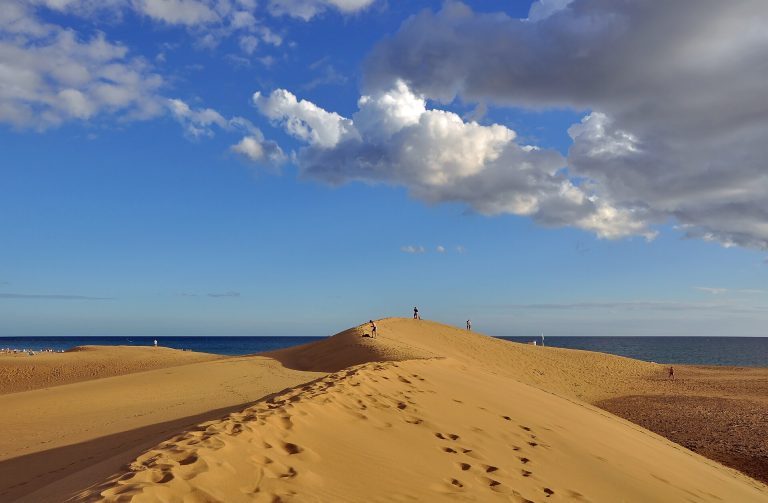
- Maspalomas dunes: a sandy landscape right by the sea. Rules and the best paths are in the article on the Maspalomas dunes.
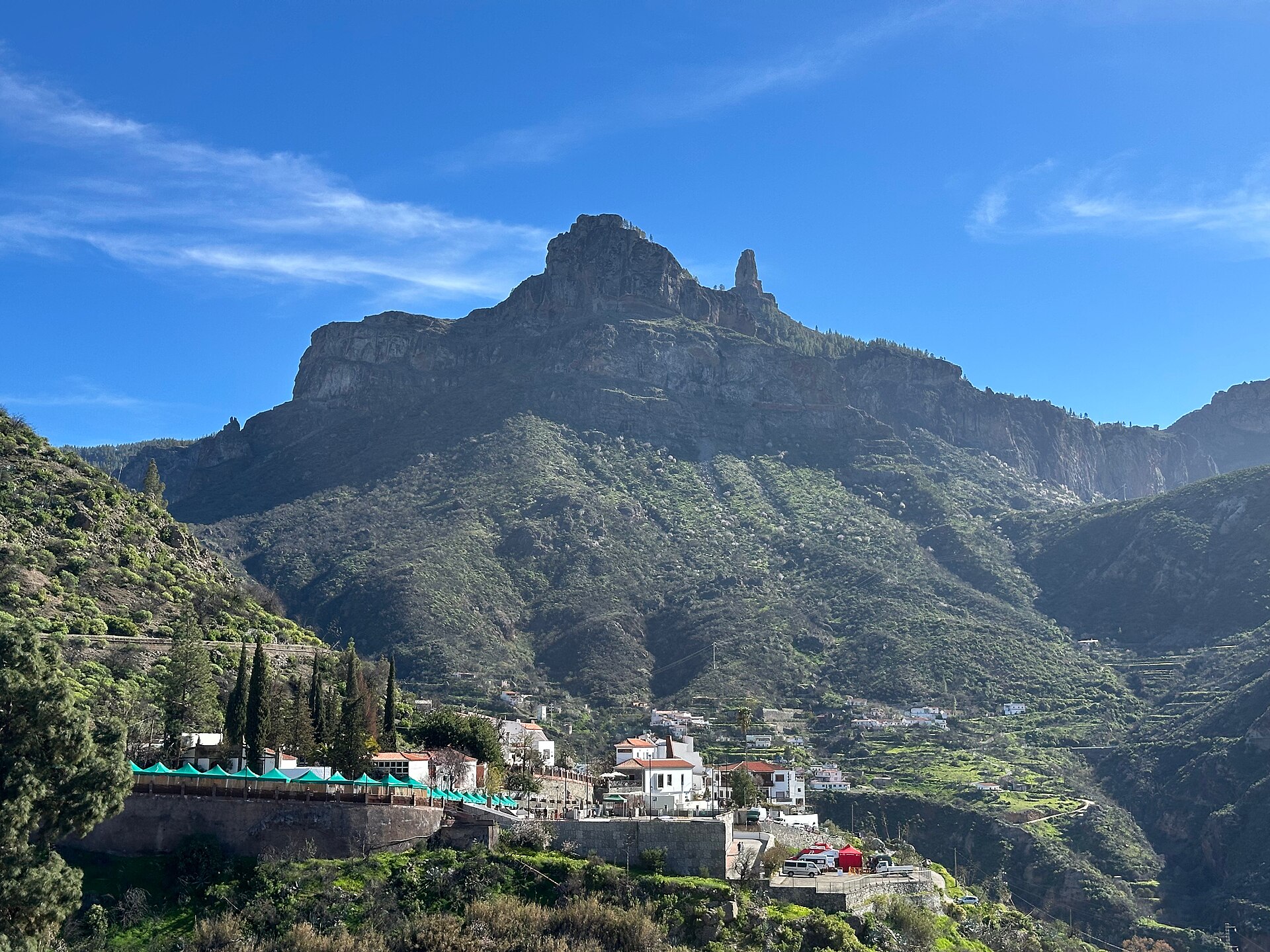
- Roque Nublo: this rock monolith is the island’s landmark, reachable on a short hike.
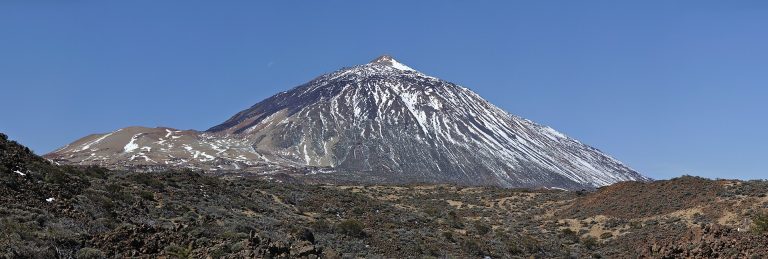
- Pico de las Nieves: viewpoint at the highest part of the island, with views of Teide on clear days.
- Tejeda: mountain village in the crater, known for its almond pastries.
- Puerto de Mogán: harbour town with canals, bridges and flowers on the houses.
- Agaete and the Agaete Valley: coffee growing, plus the Las Salinas natural pools by the sea.
- Teror: pilgrimage town with wooden balconies and a Sunday market.
- Arucas: a dark basalt church and a rum distillery.
- Cueva Pintada (Gáldar): archaeological museum about the island’s original inhabitants.
- Risco Caído: cave sanctuary of the ancient Canarians, a UNESCO World Heritage Site together with the sacred mountains.
How do you plan Roque Nublo and the mountains?
The mountains are the part many beachgoers never see, and the most impressive one. From the south coast you drive up via Fataga or Mogán, from Las Palmas via Teror or Santa Brígida.
- Order: Roque Nublo first, then Pico de las Nieves, then lunch in Tejeda.
- Hike: The usual path starts at the La Goleta car park. It is short but rocky, sturdy shoes are enough.
- Time of day: come early. The car park is small and full by late morning.
- Clothing: Up top it is noticeably cooler and windier than on the coast, and cold in winter.
Is Las Palmas worth a day?
Yes, and two would be better. Las Palmas is not a holiday backdrop but a port city where people work and study. Walk through Vegueta and the neighbouring district of Triana in the morning, eat at the market hall and head to Las Canteras in the afternoon. At the northern end of the beach the water behind the reef is calm, at the southern end people surf. Parking in the city is a hassle, so from the south you are better off taking the bus. If you can picture the city as a place to live: Studying in Las Palmas.
South or north: where to stay?
The trade winds bring clouds to the north side. Locals call the grey blanket over Las Palmas Panza de burra (donkey’s belly). In the south, by contrast, the sun shines almost all the time. At the airport on the east coast only around 150 mm of rain falls in the whole year, and the average daily maximum in January is 20.8 °C (AEMET, normal values 1981 to 2010).
- South (Maspalomas, Playa del Inglés, Puerto Rico, Mogán): beach holidays, hotels, reliable weather.
- Las Palmas: city life, beach, short trips into the green north.
Which beach suits you is covered in the beaches on Gran Canaria.
Local tips and combinations
The island is small, but the roads inland are winding. For mountain routes, allow much more time than the map suggests.
- Northern loop: Arucas, Teror and Gáldar fit into one day, with Agaete by the sea to finish.
- Food: Papas arrugadas (wrinkled potatoes) with mojo are available everywhere, more in Canarian food.
- Neighbouring island: According to Fred. Olsen, the fast ferry to Tenerife takes 80 minutes (as of October 2026). Route ideas are in Island hopping.
Frequently asked questions
Gran Canaria or Tenerife?
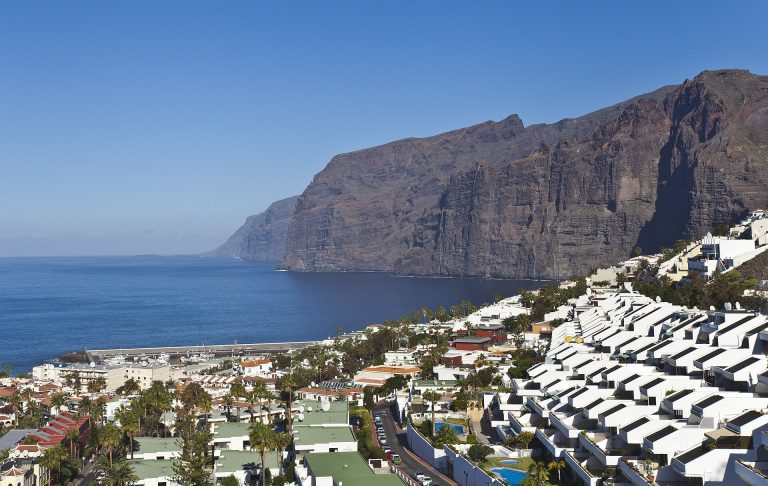
Both are similarly diverse. Gran Canaria has the dunes and the bigger city, Tenerife has Teide and the higher north. The comparison is in Which Canary Island suits me?
Do I need a rental car?
Not for the coastal towns and Las Palmas, the buses run frequently. For Roque Nublo, Tejeda and the west coast, yes.
How many days should I plan?
Five to seven days: two for the mountains, one to two for Las Palmas and the north, the rest for beach and dunes.
Can I walk anywhere in the dunes?
No. They are a protected area, stay on the marked paths.
Sources
- AEMET: climate values for Gran Canaria Airport
- Fred. Olsen Express: ferry routes and crossing times
- Binter: flights between the islands
As of: October 2026
As of October 2026. Opening hours, prices and entry rules change. Check them on the official websites before your visit.
Cover image: Rvr · Wikimedia Commons · CC BY-SA 4.0
Free
The moving checklist as a PDF (in German)
All steps in the right order to tick off. Plus the key tips by email over the next weeks (in German). Free, unsubscribe at any time.