In short: For a first visit, Tenerife and Gran Canaria are the best fit, because they combine beach, mountains and city on one island. If you mainly want to swim, go to Fuerteventura; if you want to hike, go to La Palma or La Gomera. Lanzarote and El Hierro are the islands for peace and quiet and landscape.
At a glance
- All-rounders: Tenerife and Gran Canaria
- Beach: Fuerteventura, the south of Gran Canaria
- Hiking: La Palma, La Gomera, Tenerife
- Peace and quiet: El Hierro, La Gomera, Lanzarote away from the resorts
- Getting there: direct flights mainly to the four large islands; you reach the small ones by ferry or inter-island flight
The seven islands compared side by side
The islands lie close together and are still very different. The east is flat, dry and sandy; the west is steep, green and cloudier. The table shows what awaits you where. Click on an island’s name to go to the detailed article.
| Island | Who it suits | Landscape | Beaches |
|---|---|---|---|
| Tenerife | First-time visitors, families, hikers | Teide, laurel forest in Anaga, cliffs in the west | Mostly dark lava sand, light sand at Las Teresitas |
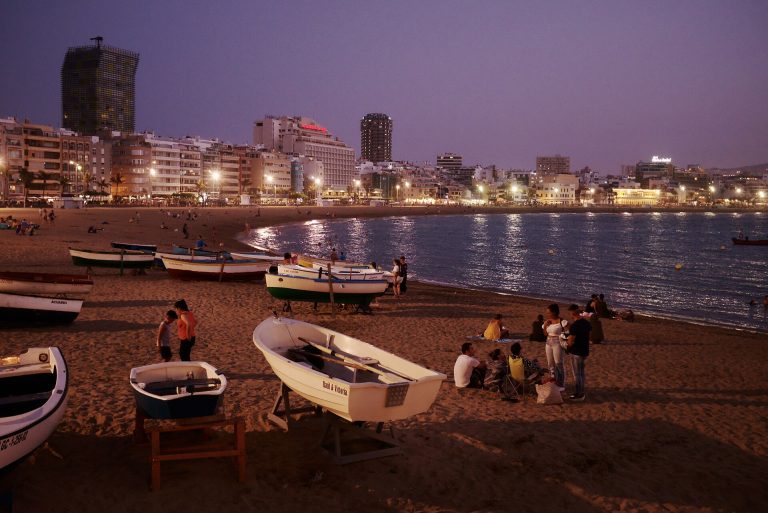
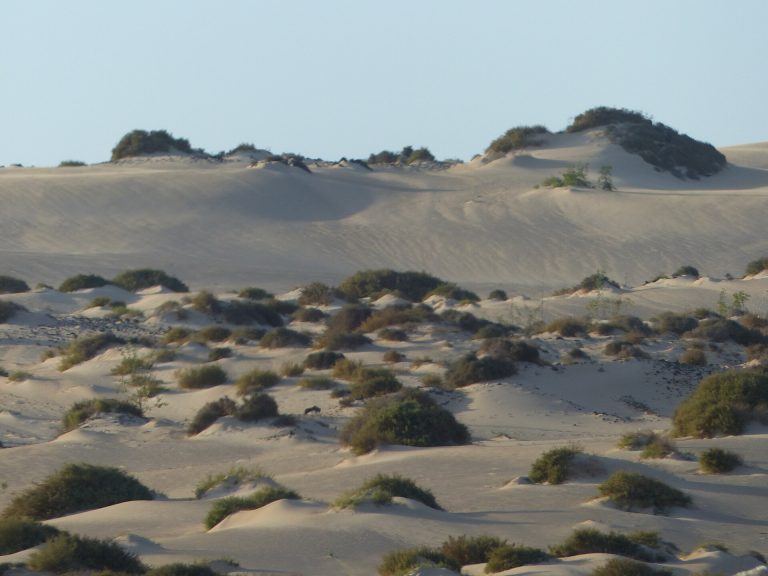
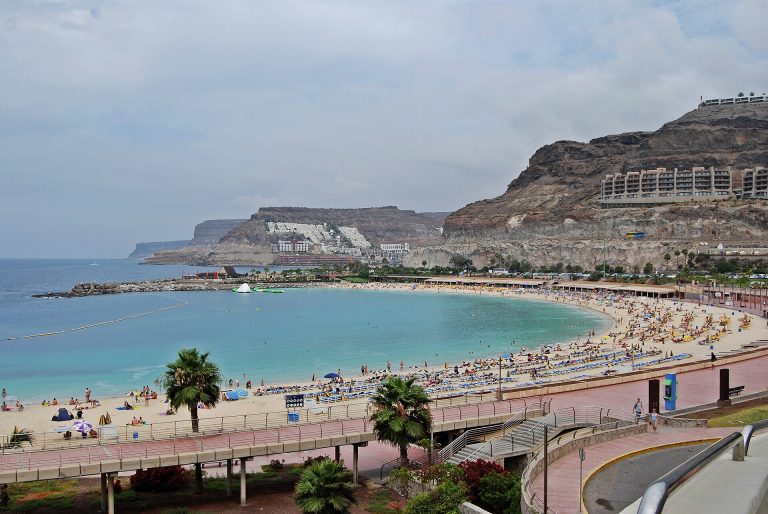
| Gran Canaria | Beach lovers, city people, winter sun seekers | Dunes, deep ravines, highlands around Roque Nublo | Long light sandy beaches in the south, Las Canteras city beach |
| Lanzarote | Those seeking peace, art and architecture fans, cyclists | Lava fields of Timanfaya, vineyards in La Geria | Coves of Papagayo, Famara for surfers |
| Fuerteventura | Beach lovers, surfers and kiters, families with small children | Barren and vast, the dunes of Corralejo | The longest light sandy beaches: Sotavento, Cofete, the lagoons of El Cotillo |
| La Palma | Hikers, stargazers | Caldera de Taburiente, volcanoes in the south, laurel forest | A few small, dark coves |
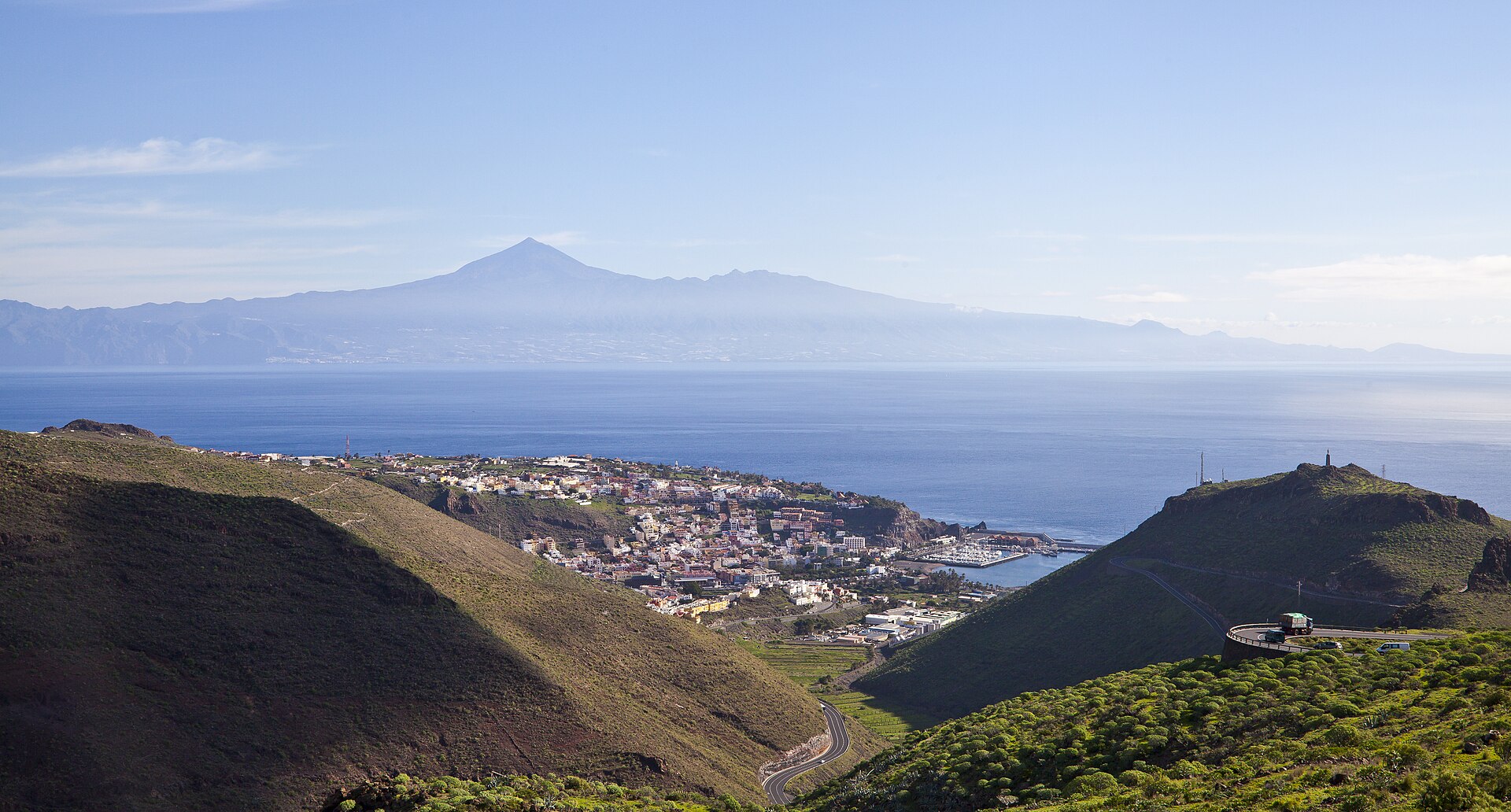
| La Gomera | Hikers, those seeking peace | Cloud forest in Garajonay National Park, terraced valleys | Small dark pebble and sand beaches, for example in Valle Gran Rey |
| El Hierro | Divers, independent travellers | Cliffs, young lava fields, wind-shaped juniper trees | Hardly any sand, but natural pools and dive sites off La Restinga |
Which island for which holiday?
First work out what matters most to you.
- Swimming and sand: Fuerteventura has the biggest choice, the south of Gran Canaria the best infrastructure. Details: Beaches on Gran Canaria.
- Hiking: La Palma and La Gomera are pure hiking islands. Tenerife offers both, see Hiking on Tenerife.
- With children: the south of Tenerife and Gran Canaria as well as Fuerteventura, more on this in Canary Islands with kids.
- City and culture: Las Palmas de Gran Canaria as well as Santa Cruz and La Laguna on Tenerife.
- Water sports: Fuerteventura, Famara on Lanzarote and El Médano on Tenerife.
Weather: north and south differ more than the islands do
The northeasterly trade wind piles up clouds on the northern slopes of the high islands. The southern coasts lie in the wind shadow and are sunnier and drier. On Tenerife and Gran Canaria, the place you stay therefore decides your weather more than your choice of island. Lanzarote and Fuerteventura are flat; it rains little everywhere there, but the wind almost always blows. You’ll find monthly figures and explanations in the article Canary Islands weather, and the decision for Tenerife in Tenerife north or south. If you want to stay the whole winter, read Wintering in the Canary Islands.
Getting there and travelling between the islands
International flights land mainly on Tenerife, Gran Canaria, Lanzarote and Fuerteventura, and in smaller numbers on La Palma. You reach La Gomera and El Hierro by ferry or inter-island flight, which keeps them quiet. From Los Cristianos in the south of Tenerife, the Fred. Olsen fast ferry takes 50 minutes to La Gomera, and 80 minutes between Tenerife and Gran Canaria (as of October 2026, according to the shipping company). Inter-island flights are mainly offered by Binter. Routes and planning are covered in the article Island hopping in the Canary Islands.
What you need to book in advance
Some popular destinations now have limited quotas.
- Tenerife: the summit trail on Teide requires a permit via the Tenerife ON portal and has charged a fee since 19 January 2026.
- Lanzarote: for the Montañas del Fuego in Timanfaya and the Cueva de los Verdes, a reservation with date and time is mandatory (as of October 2026).
- Fuerteventura: for the Isla de Lobos you need a permit via a dedicated portal.
Frequently asked questions
Which Canary Island has the best weather?
The sunniest and driest are the southern coasts of Gran Canaria and Tenerife, as well as Lanzarote and Fuerteventura. The northern sides of the high islands are greener and more often cloudy.
Which island is the quietest?
El Hierro and La Gomera. There are no big hotel zones there, but instead hiking trails, small villages and little nightlife.
Which island is best for a first Canary Islands holiday?
Tenerife or Gran Canaria. Both offer beach, mountains and cities, many flight connections and accommodation for every budget.
Where are the most beautiful sandy beaches?
On Fuerteventura, especially in the north near Corralejo and in the south on the Jandía peninsula. On Gran Canaria, the best-known beach lies by the Maspalomas dunes.
Sources
- Fred. Olsen Express: routes and crossing times
- Binter: flights between the islands
- Tenerife ON: permits in Teide National Park
- CACT Lanzarote: opening times and prices of the visitor centres
- Lobos Pass: permit for the Isla de Lobos
As of: October 2026
As of October 2026. Opening hours, prices and entry rules change. Check them on the official websites before your visit.
Cover image: Diego Delso · Wikimedia Commons · CC BY-SA 3.0
Free
The moving checklist as a PDF (in German)
All steps in the right order to tick off. Plus the key tips by email over the next weeks (in German). Free, unsubscribe at any time.