In short: The south is the safe choice for sun, beach and pool, the north the better one for hiking, towns and everyday Canarian life. The north is greener and more often cloudy, the south drier and more touristy. If you are staying longer than a week, it is best to split your holiday.
At a glance
- South: Costa Adeje, Los Cristianos, Playa de las Américas, El Médano
- North: Puerto de la Cruz, La Orotava, La Laguna, Garachico, Santa Cruz
- Weather: south sunnier and drier, north milder and cloudier
- Airports: Tenerife South for most holiday flights, Tenerife North near La Laguna
- Rent levels: lower in the north than in Adeje and Arona (Idealista, September 2026)
North and south compared side by side
The Teide massif lies between the two coasts. It holds the trade wind clouds in the north and gives the island two very different sides.
| Criterion | North | South |
|---|---|---|
| Weather | Mild, green, more often cloudy, more rain in winter | Sunny, dry, warmer |
| Beaches | Dark sand, often surf, plus natural seawater pools | Sheltered bays, some pale sand, calm water |
| Towns | Historic towns with old quarters | Resorts, many hotels and apartment complexes |
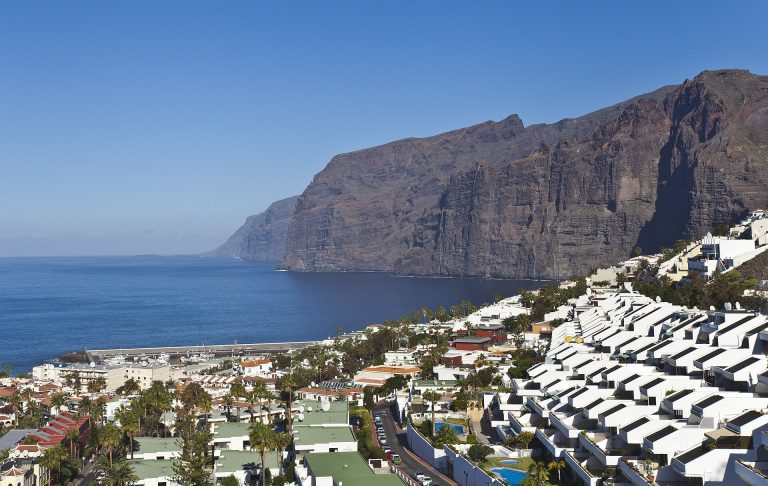
| Excursions | Anaga, Orotava Valley, La Laguna, wine villages | Boat trips, water park, Los Gigantes |
The south: sun, beach and lots going on
The sun shines most reliably in the south, and everything is geared towards holidays.
- Costa Adeje: the upmarket part, with large hotels and the Siam Park water park.
- Los Cristianos: a former fishing village with a harbour, from where the ferries leave for La Gomera, La Palma and El Hierro.
- Playa de las Américas: the liveliest resort, with nightlife and surf spots.
- El Médano: windy, relaxed, popular with kitesurfers and windsurfers.
The downsides: the landscape is barren, much of it was built in recent decades, and on some streets you hardly hear any Spanish. The individual beaches are covered under Beaches on Tenerife, and the boat trips under Whale and dolphin watching.
The north: green, Canarian, more changeable
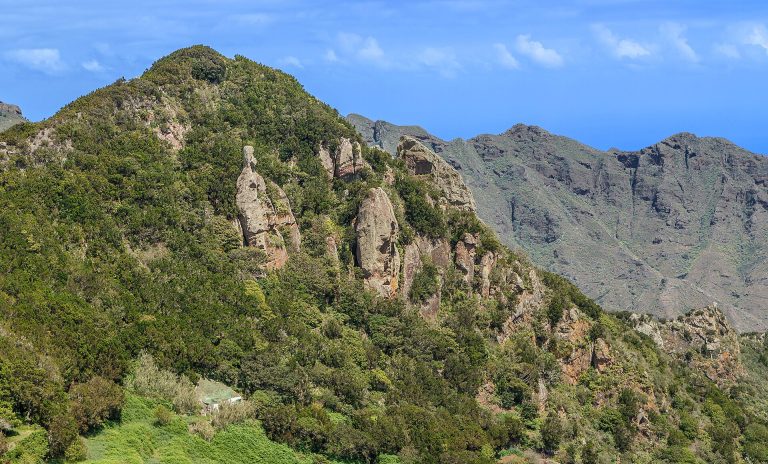
Most locals live in the north. Here you will find old towns, banana plantations, vineyards and the laurel forest of the Anaga mountains.
- Puerto de la Cruz: the classic holiday town of the north, with an old quarter, seawater pools and Loro Parque.
- La Orotava: manor houses with wooden balconies on the slope above the valley.
- La Laguna: a university town whose old quarter is a UNESCO World Heritage Site. It is cooler here than on the coast.
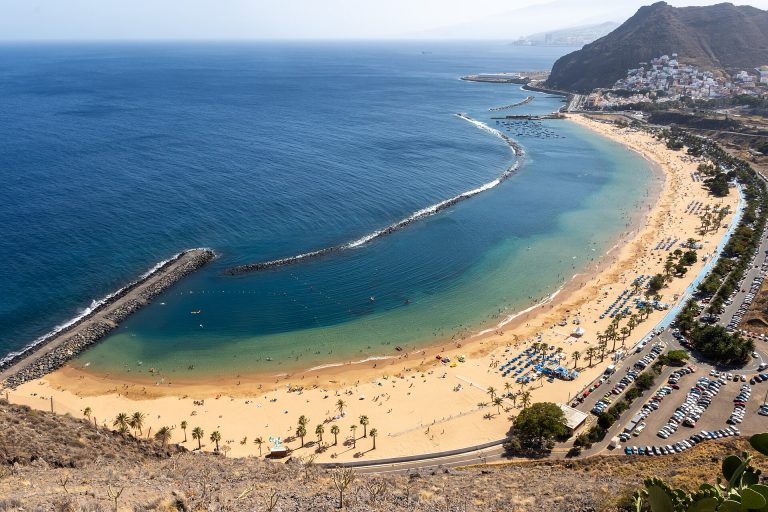
- Santa Cruz: the capital in the northeast, sunnier than the north coast, with Las Teresitas beach on its doorstep.
The downsides: you have to expect overcast days, and the sea is rougher. What there is to see is listed under Tenerife sights.
How big is the difference in the weather?
Temperatures on the coast are closer together than many people think. The difference lies in sunshine and rain.
For reference: according to AEMET, the average daily maximum in Santa Cruz de Tenerife is 21.0 °C in January and 29.0 °C in August (reference period 1981 to 2010). Santa Cruz is in the northeast, but it is sheltered by the Anaga mountains and drier than Puerto de la Cruz or La Laguna. The full table is in the article Canary Islands weather.
Which is more expensive?
Rent levels give you a point of reference: according to Idealista, asking rents in September 2026 were 19.0 € per square metre in Adeje and 18.9 € in Arona, 16.5 € in Puerto de la Cruz, 14.0 € in Santa Cruz and 12.7 € in La Laguna. These are listing prices for long-term rentals, not holiday apartments. But the trend holds for holidaymakers too: in the north you usually get more for the same money.
Getting there, getting around and excursions
The island has two airports. Check where your flight lands before booking your accommodation, or your holiday will start with a long drive. North and south are connected by the TF-5 and TF-1 motorways, which meet near Santa Cruz.
You can reach Teide from both sides: from the north via La Orotava or La Esperanza, from the south via Vilaflor. Hikers staying in the north are closer to Anaga and Teno, see Hiking on Tenerife.
Frequently asked questions
Where is it warmer on Tenerife in winter?
In the south. Temperatures on the coast differ only slightly, but the south gets much more sun and less rain.
Where is Tenerife cheaper?
Usually in the north. According to Idealista, asking rents in Puerto de la Cruz and La Laguna in September 2026 were below those in Adeje and Arona.
Is it worth changing hotels?
Yes, from about ten days. For one week, it is better to choose one base and take one or two day trips to the other side.
Where do more German speakers live long term?
On both sides. Puerto de la Cruz has been popular with long-stay guests for decades, while in the south it is mainly Los Cristianos and Costa Adeje. More on this: Wintering in the Canary Islands.
Sources
- AEMET: climate data for Santa Cruz de Tenerife, 1981 to 2010
- Idealista: Canary Islands rental price report
- Turismo de Tenerife: official tourism website
Last updated: October 2026
As of October 2026. Opening hours, prices and entry rules change. Check them on the official websites before your visit.
Cover image: Diego Delso · Wikimedia Commons · CC BY-SA 3.0
Free
The moving checklist as a PDF (in German)
All steps in the right order to tick off. Plus the key tips by email over the next weeks (in German). Free, unsubscribe at any time.