In short: Andalusian cuisine is simple, fresh and varies from province to province: cold soups inland, fried fish on the coast, stews in the mountains. It is best to eat whatever comes from where you happen to be. People eat late: lunch from around 2 pm and dinner from 8:30 pm.
At a glance
- Mealtimes: lunch roughly 2 to 4 pm, dinner from 8:30 pm
- Eating on a budget: menú del día (set lunch menu) on weekdays
- Portion sizes: tapa (small), media ración (half), ración (for sharing)
- For vegetarians: cold soups without ham, aubergines, spinach with chickpeas
- Tipping: optional, rounding up is usual
Cold soups and salads: food for hot days
In summer, hardly anyone in Andalusia eats something warm as a starter at lunchtime. Instead there are cold soups based on tomatoes, bread, olive oil and garlic.
- 1. Gazpacho: thin cold vegetable soup, often served in a glass.
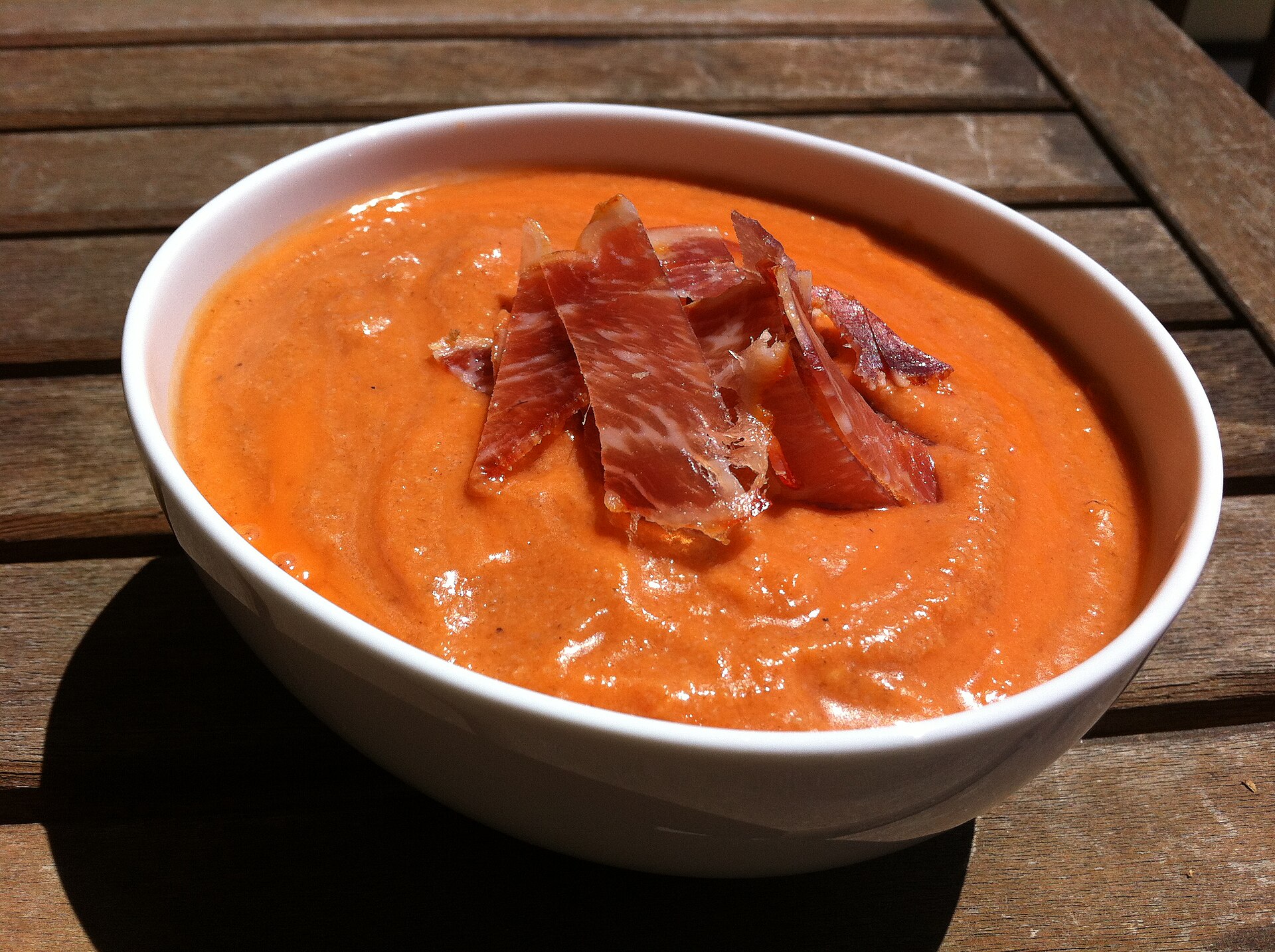
- 2. Salmorejo: thick tomato cream from Córdoba, sprinkled with chopped egg and ham.
- 3. Ajoblanco: white soup made from almonds and garlic, served with grapes, typical of Málaga.
- 4. Remojón granadino: salad of oranges, salt cod, olives and onions from Granada.
Fish and seafood on the coast
On the coast, the fish is almost always worth it. The typical preparation is in hot olive oil, very lightly floured and without breadcrumbs.
- 5. Pescaíto frito: mixed fried fish, best in Cádiz and Málaga.
- 6. Espetos de sardinas: sardines on a skewer, grilled over a wood fire right on the beach. A speciality of the beach restaurants around Málaga.
- 7. Tortillitas de camarones: crispy, thin fritters with tiny shrimps from the Bay of Cádiz.
- 8. Atún rojo de almadraba: bluefin tuna from the Costa de la Luz, freshly caught in early summer.
Meat and hearty dishes from the interior
In the mountains and inland, the cooking is heartier. This is where ham, braised dishes and stews come to the table.
- 9. Jamón ibérico: air-dried ham from the Iberian pig, famously from Jabugo in the province of Huelva. Trevélez in the Alpujarras produces a mild mountain ham.
- 10. Rabo de toro: slow-braised oxtail in red wine sauce, a classic in Córdoba and Ronda.
- 11. Flamenquín: roll of pork and ham, breaded and fried.
- 12. Plato alpujarreño: a plate with potatoes, egg, black pudding, chorizo and ham. Just right after a hike, too heavy before one.
Vegetarian and sweet
Purely vegetarian main courses are rarely on the menu, but you will always find something among the tapas and starters.
- 13. Berenjenas con miel de caña: fried aubergines with dark sugar cane syrup.
- 14. Espinacas con garbanzos: spinach with chickpeas and cumin, typical of Seville.
- 15. Piononos: small, soaked sponge rolls topped with toasted cream, from Santa Fe near Granada.
What do you drink with it?
With food, most people order a small beer (caña), wine or, in summer, a tinto de verano, red wine with lemon soda. Andalusia itself produces two special wines:
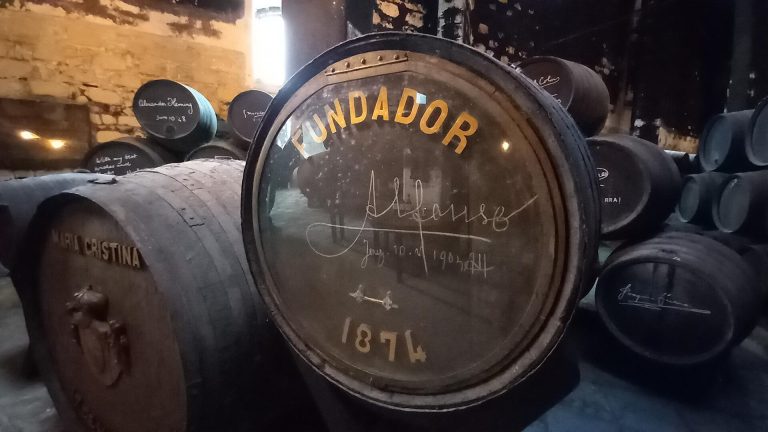
- Sherry: from the area around Jerez, ranging from bone dry (fino, manzanilla) to syrupy sweet (Pedro Ximénez). More on this under Jerez de la Frontera.
- Málaga wine: sweet wine made from Moscatel grapes, usually served with dessert.
How do you order and pay the right way?
A few habits differ from Germany and Austria. If you know them, you eat better and for less.
- Menú del día: on weekdays, many restaurants offer a set lunch with a starter, main course, dessert or coffee, bread and a drink at a fixed price.
- Sharing: raciones go in the middle of the table and everyone helps themselves. It is better to order bit by bit.
- Bread and extras: bread and small starters that arrive without you asking often end up on the bill.
- Bar or table: in some places it is a little cheaper at the counter than on the terrace.
- The bill: never comes by itself. Say “La cuenta, por favor”.
How shopping, mealtimes and markets shape daily life when you live here is described in the guide Everyday life in Spain. For a comparison with the islands: Canarian food.
Frequently asked questions
What is the difference between gazpacho and salmorejo?
Gazpacho is thin and contains cucumber and peppers, so you can drink it. Salmorejo consists almost entirely of tomatoes, bread and oil, is as thick as a cream and is eaten with a spoon.
Do vegetarians get by in Andalusia?
Yes, with a bit of asking. Cold soups, aubergines, spinach with chickpeas, tortilla and cheese are available almost everywhere. The larger cities also have purely vegetarian restaurants.
When do the kitchens open?
At lunchtime usually around 1:30 pm, in the evening from about 8 to 8:30 pm. In between, bars serve cold tapas and sandwiches, but rarely hot food.
Are tapas free everywhere?
No. It is common in Granada, Jaén and Almería. In Seville, Málaga and Cádiz you order and pay for each tapa separately.
As of October 2026. Opening hours, prices and entry rules change. Check them on the official websites before your visit.
Cover image: P.Lechien · Wikimedia Commons · CC0
Free
The moving checklist as a PDF (in German)
All steps in the right order to tick off. Plus the key tips by email over the next weeks (in German). Free, unsubscribe at any time.