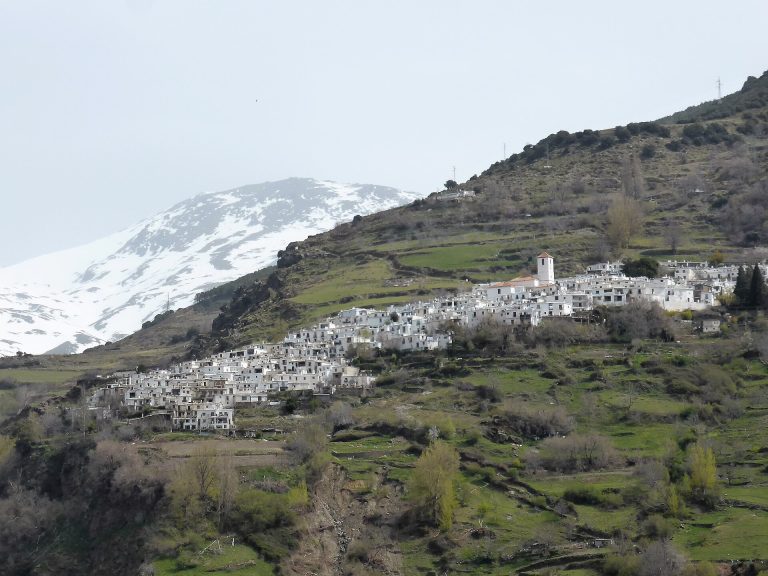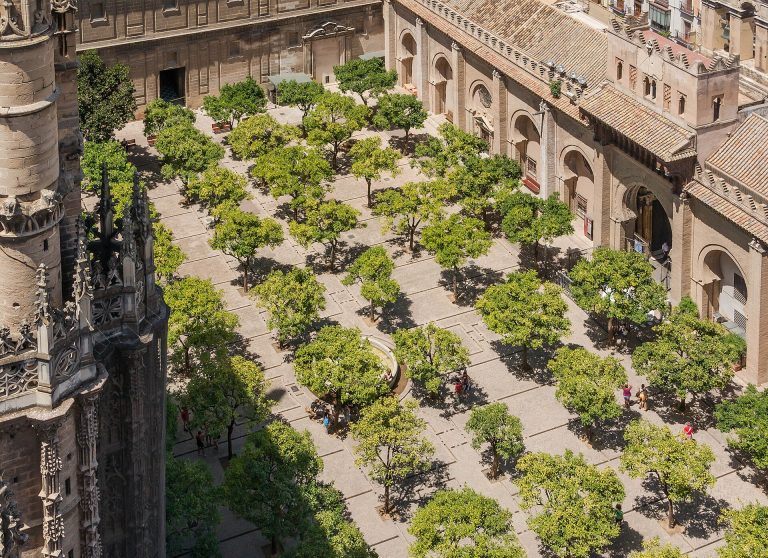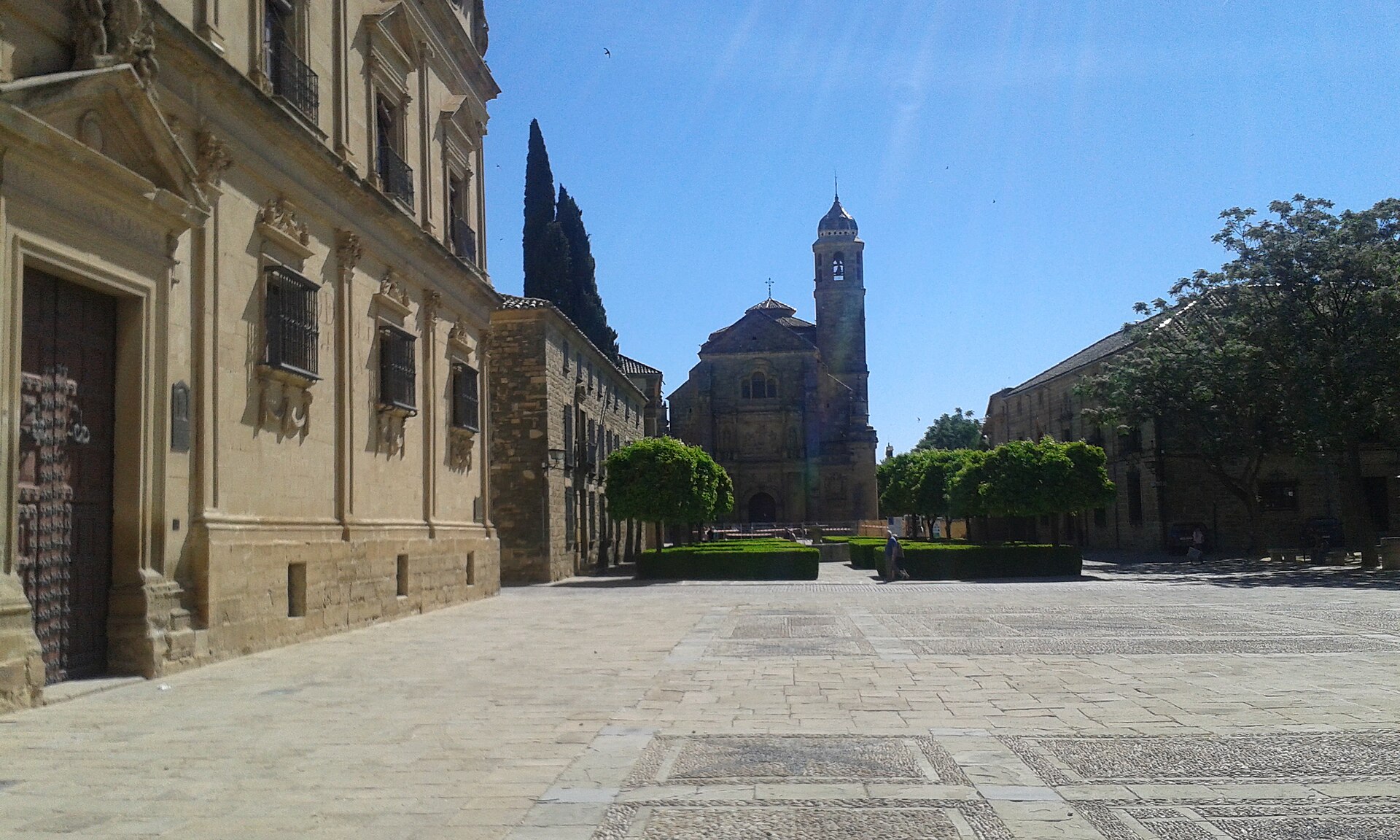
In short: Úbeda and Baeza are two small towns in the province of Jaén that have shared UNESCO World Heritage status since 2003. They lie only about 9 km apart and showcase Renaissance architecture of a kind you will hardly find anywhere else in Andalusia. You can manage both in one long day, but staying overnight in Úbeda is nicer.
At a glance
- Where: province of Jaén, in the northeast of Andalusia
- Time needed: 1 to 2 days
- Best time: April to June and September to November
- Getting there: best by car, otherwise by bus from Granada or Jaén
- Ideal for: architecture, peace and quiet, olive oil, few crowds
Why are Úbeda and Baeza worth a visit?
In the 16th century, both towns grew rich through the nobility and the Church. Instead of Moorish palaces, they built churches, town palaces and squares in the style of the Italian Renaissance, many of them by the master builder Andrés de Vandelvira. Because the area later became poor, little was rebuilt. Today you walk through almost completely preserved ensembles of honey-coloured sandstone.
Then there is the setting: both towns sit on a ridge above the Guadalquivir valley, surrounded by olive trees as far as the horizon. You will see far fewer foreign visitors here than in Granada or Córdoba.
What can you see in Úbeda?
Úbeda is the larger of the two towns. The historic quarter lies on its southern edge, and everything important is within walking distance.
- Plaza Vázquez de Molina: the main square, where almost every building is a monument. It is most beautiful in the late afternoon, when the stone glows in the sun.
- Sacra Capilla del Salvador: a lavish funerary chapel at the head of the square with a richly decorated façade.
- Palacio de las Cadenas: a palace by Vandelvira, now the town hall.
- Hospital de Santiago: a large, austere Renaissance building at the other end of town, now a cultural centre.
- Potters’ quarter on Calle Valencia: workshops making the typical green-glazed ceramics.
- Viewpoints along the town wall: views across the olive groves to the Sierra Mágina.
What can you see in Baeza?
Baeza is smaller, quieter and feels more unified. Two to three hours are enough for a walk around.
- Plaza del Pópulo: a small square with the Fountain of the Lions and the old town gate.
- Cathedral and Plaza de Santa María: the heart of the old town, with a Renaissance fountain in the middle.
- Palacio de Jabalquinto: a palace with a striking façade covered in stone points.
- Old University: the poet Antonio Machado taught French here for a few years. His classroom has been preserved.
- Paseo de las Murallas: a promenade along the edge of the old town with sweeping views over the valley.
Admission and opening hours for the churches and palaces vary from building to building and change with the season. You can get up-to-date information at the tourist offices in both towns.
Olive oil: tastings and harvest season
The province of Jaén is the largest olive-growing area in the world. Around Úbeda and Baeza, oil mills (almazaras) offer guided tours with tastings. You learn how to recognise good oil and how different the varieties taste. The typical variety here is Picual, robust and slightly bitter.
The harvest runs roughly from November to January. That is when the mills are working, tractors with trailers fill the roads and the smell of fresh oil is everywhere. It is best to book tours in advance. How the oil is used in the kitchen is explained in Eating in Andalusia.
How do you get there?
By car, it is about 140 km from Granada, almost entirely on dual carriageway. Córdoba is a similar distance away. In both towns you can park on the edge of the old town, as the historic lanes themselves are narrow and partly closed to traffic.
Without a car, there are buses from Granada, Jaén and Córdoba, and you can find the connections on ALSA. The two towns have no railway station. Regular buses run between Úbeda and Baeza. What to look out for when renting a car is covered in Car hire in Andalusia.
What can you combine the visit with?
The two towns are off the usual route, but they fit nicely between two major destinations.
- As a side trip from Granada: one of the longer but rewarding day trips from Granada.
- Between Granada and Córdoba: as an overnight stop on an Andalusia road trip, then on to Córdoba.
- With nature: to the east lies the Sierras de Cazorla, Segura y Las Villas Natural Park, the largest protected area in Spain, with hiking trails and plenty of wildlife.
- With Jaén: the provincial capital has a mighty Renaissance cathedral and a castle above the city.
If you are considering the province as a place to live or study, you will find more under Studying in Jaén.
Frequently asked questions
Is one day enough for both towns?
Yes. Start in Baeza in the morning, drive to Úbeda around midday and stay there until the evening. With an overnight stay you get more of the atmosphere, when the squares are lit up and almost empty.
Which of the two towns is more beautiful?
Úbeda has the more impressive individual buildings and more choice of places to stay and eat. Baeza is smaller and more unified. If you only have time for one, choose Úbeda.
Do you also get free tapas in Jaén?
Yes. As in Granada, most bars in the province give you a small tapa with every drink. How it works is explained in Tapas in Granada.
When should I not go?
In July and August it gets very hot inland, and the lanes are empty at midday. In winter it is cold, but that is when the olive harvest is in full swing.
Sources
Last updated: October 2026
As of October 2026. Opening hours, prices and entry rules change. Check them on the official websites before your visit.
Cover image: Axel Cotón Gutiérrez · Wikimedia Commons · CC BY-SA 4.0
Free
The moving checklist as a PDF (in German)
All steps in the right order to tick off. Plus the key tips by email over the next weeks (in German). Free, unsubscribe at any time.