In short: There is no best region, only the one that suits your life. Andalusia offers the mainland, big cities and real seasons, the Canary Islands mild weather all year round. Three questions are decisive: how do you earn your money, how much city do you need and how well do you cope with heat?
At a glance
- Cheapest rents: Almería (9.4 € per m²) and Granada (10.8 € per m²)
- Most expensive rents: Marbella (23.6 € per m²), Mogán on Gran Canaria (21.3 € per m²)
- Hottest summer: Seville, with an average daily maximum of around 36 °C in July and August
- Mildest climate: Canary Islands, with around 18 °C in January and a maximum of 27 to 29 °C in August
- Job market: unemployment rate in Andalusia 14.56 %, in the Canary Islands around 11.6 % (Q2 2026)
- Rent data as of: Idealista, asking prices September 2026
Find your place with sliders
Set the sliders according to how important climate, costs, beach, city life and work are to you. The place finder instantly shows you which place in Andalusia or the Canary Islands suits you best.
Andalusia or the Canary Islands: what sets the regions apart?
Andalusia is the mainland: you can reach other cities by car or train, you get hot summers and cool winters and a larger job market. The Canary Islands are islands in the Atlantic with an even climate, their own consumption tax and a one-hour time difference to the mainland. Trips to Germany or Austria from there always go via the airport.
| Andalusia | Canary Islands | |
|---|---|---|
| Climate | hot summers, cool winters inland | mild all year, little rain |
| Average rent | 14.1 € per m² | 15.2 € per m² |
| Connections | car, high-speed train, several airports | plane and ferry, no railway |
| Unemployment rate | 14.56 % | around 11.6 % |
| Consumption tax | VAT (IVA), standard rate 21 % | IGIC, standard rate 7 % |
The rent figures are asking prices from listings, not signed contracts. What the islands’ special tax means for the self-employed is explained under IGIC, REPEP and ZEC.
Andalusia: which city and which coast suits you?
In Andalusia, the interior and the coast are worlds apart, in climate as well as in prices. Here are the places one by one, each with what is good and what is annoying.
Granada
A university city at the foot of the Sierra Nevada and, at 10.8 € per m², one of the cheapest big cities in Andalusia. Lots of young life, short distances, a ski resort and mountains on your doorstep. The downsides: summer is hot (an average maximum of almost 35 °C in July), winter is noticeably cold, the sea is not on your doorstep and the job market is small.
Málaga
The most international city in Andalusia: a large airport, high-speed trains to Madrid, many employers and a large international community. On the coast the climate is milder than inland (around 31 °C in high summer). The price for that is meant literally: 16.5 € per m², and good apartments go fast.
Seville
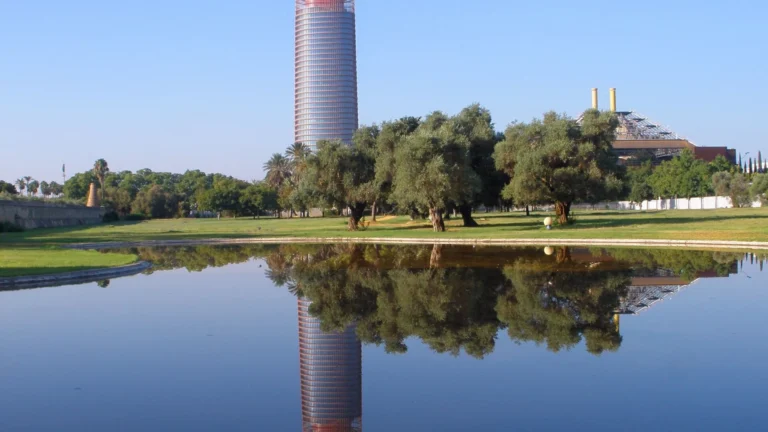
The regional capital, a big city with plenty of culture, administration and jobs. Rent is 13.4 € per m². In July and August it gets very hot at around 36 °C, and many locals leave the city then. No beach nearby.
Cádiz and the Costa de la Luz
The Atlantic, long sandy beaches and a more relaxed, very Spanish way of life. In Cádiz you pay 12.4 € per m², in Chiclana 11.8 € and in Jerez 10.6 €. On the other hand, it is often windy, very quiet in winter and crowded in August. Jobs are mainly seasonal.
Almería
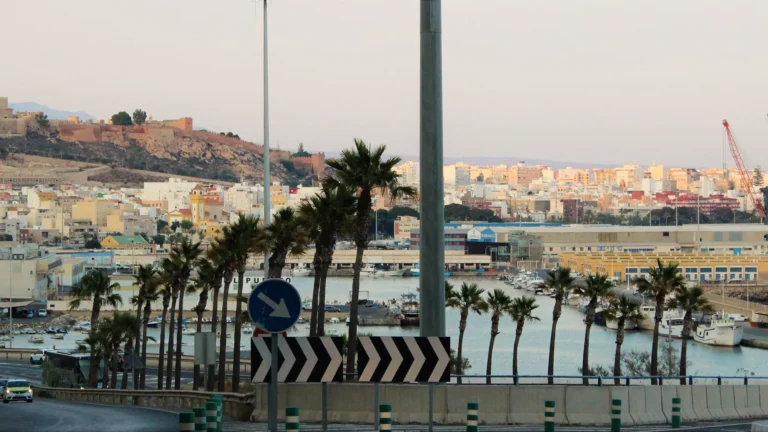
The driest and cheapest corner: 9.4 € per m² in the city, 9.2 € in Roquetas de Mar. Lots of sun, little rain, less hustle and bustle. The flip side is fewer jobs, fewer flight connections and less choice in culture and shopping.
Costa Tropical
The coast of the province of Granada around Almuñécar (11.5 € per m²) and Motril (8.3 € per m²). A mild climate, quieter and cheaper than the Costa del Sol, with Granada and the mountains close by. On the other hand, the job market is small and some bars and restaurants close in winter.
Costa del Sol
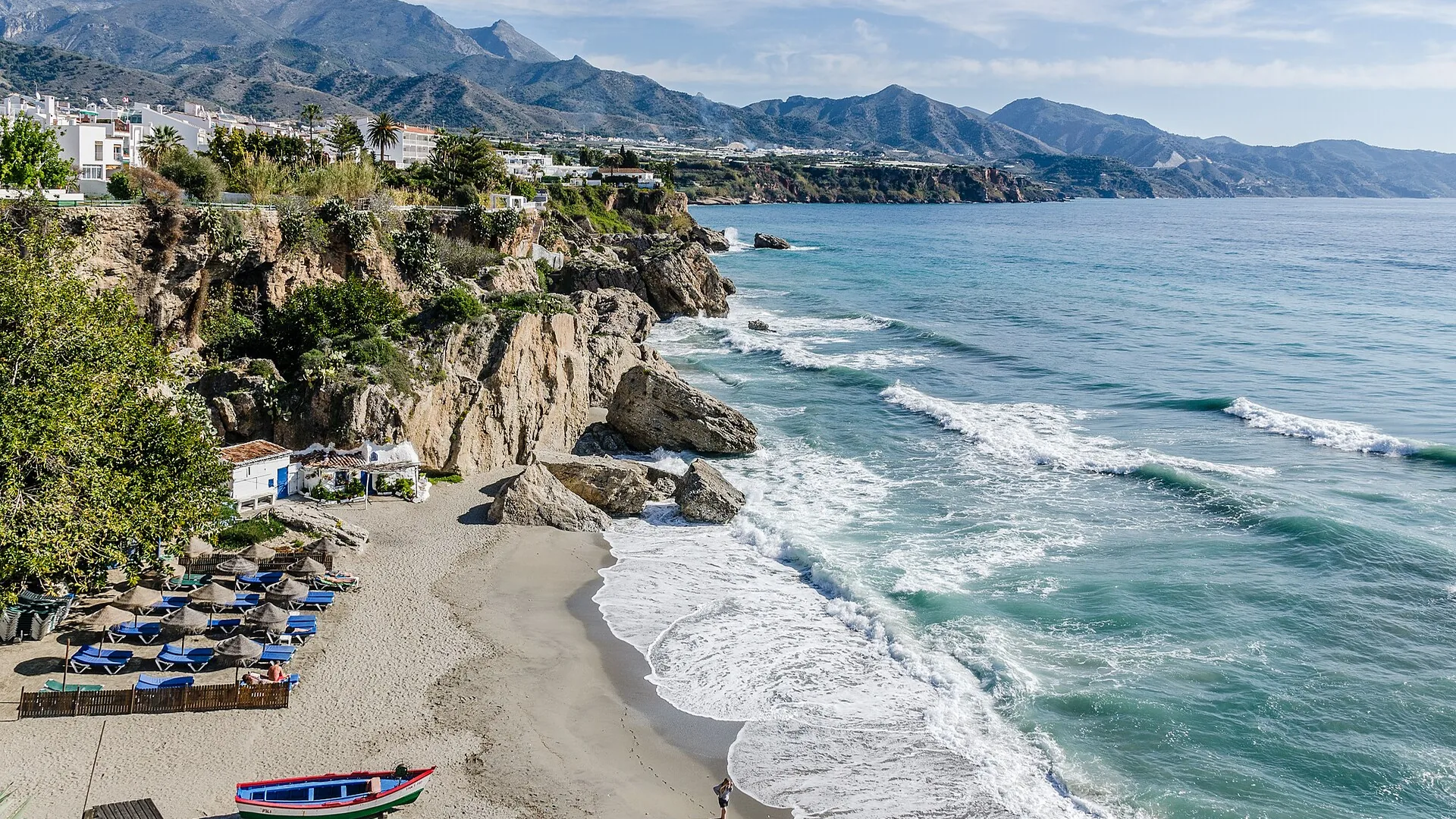
From Torremolinos (17.9 € per m²) via Fuengirola and Benalmádena (17.2 € each) to Estepona (21.1 €) and Marbella (23.6 €). This is where you will find the most German-language services, international schools and Málaga airport within reach. It is the most expensive coast in Andalusia, densely built up and crowded in summer. East of Málaga, Nerja, at 15.1 € per m², is smaller and quieter.
Canary Islands: which island suits you?
On the islands, the weather is the main argument: at Gran Canaria Airport the January average is 17.9 °C and the August maximum 27.5 °C. The difference lies less between the islands than between the north and south of a single island. You will find a detailed comparison of all the islands under Which Canary Island suits me?
Tenerife North
Santa Cruz (14.0 € per m²) and the university city of La Laguna (12.7 € per m²) are real cities with clinics, public offices and everyday life beyond tourism. The north is green, but also cloudier and more humid. In Puerto de la Cruz you pay 16.5 € per m².
Tenerife South
Adeje (19.0 € per m²) and Arona (18.9 € per m²) offer the most sun and plenty of jobs in tourism. On the other hand, rents are high, apartments are scarce and the surroundings are strongly geared towards holidaymakers. More on this: North or South Tenerife.
Gran Canaria
Las Palmas (14.6 € per m²) is the largest city in the Canary Islands, with a city beach, a university and many people who work remotely. The northeast is cloudier, the south sunnier and more expensive: in Mogán asking rents are 21.3 € per m², in San Bartolomé de Tirajana 21.1 €. You can live more cheaply in Telde at 11.6 € per m².
Fuerteventura
Beach, wind and wide open spaces, popular with surfers and kitesurfers. In La Oliva with Corralejo landlords ask 18.8 € per m², in the capital Puerto del Rosario 12.3 €. The job market is small, and so is the choice of apartments, doctors and schools.
Lanzarote
Volcanic landscape, little rain and a slow pace. Idealista’s rental report does not list individual municipalities for Lanzarote, so reliable rent figures are missing. Expect a tight housing market and allow more time for a specialist doctor, a public office or a flight home.
What does an apartment cost in the place you want to live?
The table projects the asking rent per m² onto a 70 m² apartment. This is our own projection for orientation. Small apartments are usually more expensive per m².
Andalusia
- 1Granada: 10.8 €/m²
- 2Málaga: 16.5 €/m²
- 3Seville: 13.4 €/m²
- 4Córdoba: 9.6 €/m²
- 5Cádiz: 12.4 €/m²
- 6Almería: 9.4 €/m²
- 7Huelva: 10.7 €/m²
- 8Jaén: 8.3 €/m²
- 9Almuñécar, Costa Tropical: 11.5 €/m²
- 10Nerja: 15.1 €/m²
- 11Marbella, Costa del Sol: 23.6 €/m²
- 12Estepona: 21.1 €/m²
Average asking rent per m² according to Idealista, September 2026.
Canary Islands
- 1Santa Cruz de Tenerife: 14.0 €/m²
- 2La Laguna: 12.7 €/m²
- 3Puerto de la Cruz: 16.5 €/m²
- 4Adeje, South Tenerife: 19.0 €/m²
- 5Arona, South Tenerife: 18.9 €/m²
- 6Las Palmas de Gran Canaria: 14.6 €/m²
- 7Corralejo, Fuerteventura: 18.8 €/m²
Average asking rent per m² according to Idealista, September 2026.
| Place | Rent per m² | 70 m² calculated |
|---|---|---|
| Almería | 9.4 € | 658 € |
| Granada | 10.8 € | 756 € |
| Almuñécar | 11.5 € | 805 € |
| Cádiz | 12.4 € | 868 € |
| La Laguna | 12.7 € | 889 € |
| Seville | 13.4 € | 938 € |
| Santa Cruz de Tenerife | 14.0 € | 980 € |
| Las Palmas de Gran Canaria | 14.6 € | 1,022 € |
| Málaga | 16.5 € | 1,155 € |
| La Oliva (Corralejo) | 18.8 € | 1,316 € |
| Adeje | 19.0 € | 1,330 € |
| Marbella | 23.6 € | 1,652 € |
You can work out what comes on top for electricity, internet, food and transport under Cost of living in Spain. How to get the apartment is explained under Finding an apartment.
How do you make the decision?
Do not start with the most beautiful beach, start with your income. After that come everyday life and climate.
- Income: If you need a local job, Málaga, Seville, Las Palmas and the south of Tenerife are the more realistic places. With a pension or laptop work, you are free to choose.
- Everyday life: With children, school and a paediatrician matter; in retirement, a hospital and the airport. Small islands and coastal villages offer less here.
- Climate: If you do not cope well with heat, test inland Andalusia in summer first.
- Test: Rent somewhere for one to three months, once in summer and once in winter.
Once you have settled on a place, the roadmap continues here: Moving to Spain step by step.
All place profiles in detail
Rents, neighbourhoods, work, schools and honest downsides for every place:
- Andalusia at a glance
- Málaga and the Costa del Sol
- Granada
- Canary Islands at a glance
- Tenerife
- Gran Canaria
- Lanzarote
- Fuerteventura
- La Palma
- Tenerife or Gran Canaria?
Frequently asked questions
Where is the cheapest place to live in Spain?
Among the places compared here, Almería (9.4 € per m²), Granada (10.8 € per m²) and Motril (8.3 € per m²) have the cheapest rents. Inland cities such as Jaén, at 8.3 € per m², are even lower.
Is life in the Canary Islands more expensive than in Andalusia?
Slightly, for rent on average: 15.2 € compared with 14.1 € per m². But the location is what matters. The south of Tenerife and Gran Canaria is more expensive than most Andalusian cities, while La Laguna and Telde are not.
Where do most Germans live in Spain?
In all of Spain there are 131,830 people with German citizenship (as of 1 January 2025). No official breakdown by location is available here. In our experience, you will find German-language services mainly on the Costa del Sol and on Tenerife and Gran Canaria.
Where is summer most bearable?
In the Canary Islands and on the Andalusian coast. The average maximum in August is 29 °C in Santa Cruz de Tenerife and around 31 °C in Málaga, compared with around 36 °C in Seville.
Sources
- Idealista: Andalusia rental price report
- Idealista: Canary Islands rental price report
- AEMET: climate normals for Seville
- AEMET: climate normals for Gran Canaria
- INE: Labour Force Survey, Q2 2026
- INE: population by nationality
Last updated: October 2026
Cover image: Tuxyso · Wikimedia Commons · CC BY-SA 3.0
Rather do it yourself?
Playbook: Moving to Spain
The complete roadmap: month by month from 12 months before to 6 months after, with deregistration, the move, a budget worksheet and your first 30 days on site. 21 pages, PDF in German.
Free
The moving checklist as a PDF (in German)
All steps in the right order to tick off. Plus the key tips by email over the next weeks (in German). Free, unsubscribe at any time.