In short: The paperwork gets done at some point, but settling in takes longer. Everyday life in Spain runs two to three hours later than in Germany or Austria, almost everything works through Spanish and personal contacts, and a lot goes better with patience than with pressure. From experience we know: the language is the biggest lever.
At a glance
- Daily rhythm: lunch around 2 to 3 pm, dinner from about 9 pm
- Shops: small shops often close in the afternoon, and most things are shut on Sundays
- Language: at the town hall, the doctor’s and with the landlord, almost only Spanish
- Paying: card almost everywhere, Bizum via mobile number between private individuals
- Public holidays: national, regional and two local ones per municipality
- Authorities: almost always by appointment only (cita previa)
How does the day work in Spain?
The day is shifted later, in every respect. If you accept that instead of living against it, things are easier.
- Breakfast is small, often just coffee and toast (tostada) in a bar, often not until mid-morning during a work break.
- Lunch is the main meal, roughly between 2 and 3:30 pm. Many restaurants then offer a set lunch menu (menú del día).
- Afternoon: many small shops, offices and practices close from about 2 to 5 pm and then reopen until about 8:30 or 9 pm. Supermarkets and shopping centres are open all day.
- Dinner rarely starts before 9 pm. If you look for a restaurant at 7 pm, you will often find the kitchen closed.
- In the evening the squares are full, even on weekdays and even with children.
In Andalusia, summer shapes the rhythm even more. In July and August, inland afternoons are so hot that the streets are empty; life shifts to the morning and the night. Many authorities and companies work shorter hours in summer (jornada intensiva), and in August some things come to a standstill. In the Canary Islands, the climate is milder and the day is shifted a little less. They are also in a different time zone: one hour earlier than the mainland.
Statistics also show how much life takes place in bars and restaurants: according to the statistics office INE, a household spends an average of 3,282 € a year on restaurants and accommodation (2025 data).
Language: how much Spanish do you need?
More than many hope. In holiday resorts on the Costa del Sol or in the south of Tenerife, you can get through the day with English and sometimes even German. At the town hall, the health centre, the police, with tradespeople and with the landlord, people speak Spanish, and fast. Arriving without a word of Spanish is possible, but it makes every step slower, more expensive and more dependent on others.
What helps most, in our experience:
- Start before you move. Even a few weeks of basics change how you experience the first months.
- A course with fixed times. The state language schools (Escuela Oficial de Idiomas) offer affordable courses in Spanish for foreigners, as do university language centres and private schools.
- Language exchange (intercambio de idiomas). In almost every city there are meetups in bars where you swap Spanish for German or English.
- Switch your daily life to Spanish. Phone, series, radio, supermarket: a little every day is better than a lot once a week.
- Prepare your sentences for the authorities. Before an appointment, write down what you want and which documents you have with you.
The Andalusian accent is a hurdle of its own at first: endings are swallowed, the s at the end of a word is often dropped, and people speak fast. In the Canary Islands, Spanish sounds softer and is reminiscent of Latin America. Both sound normal after a few months. Nobody expects perfect grammar; the fact that you are trying is almost always received warmly.
Culture at the authorities: appointment, paper, patience
Spanish authorities are not more chaotic than German ones, they just work according to different rules. If you know these rules, you save yourself most trips.
- Little works without an appointment. Almost every office works with cita previa, which you book online or by phone. In big cities appointments are scarce; new ones are often released in the morning.
- Bring originals and copies. Passport, NIE, Padrón, rental contract, each with a copy. If a sheet is missing, you get a new appointment.
- Every office decides a little differently. Which documents a town hall accepts can vary from place to place. The list on the website of the office in question is what counts, not a forum.
- A lot can be done digitally. With the digital certificate or Cl@ve, you can handle applications, certificates and taxes online and save yourself many appointments.
- Stay friendly. A greeting, a smile and patience work better here than pointing to regulations. The person at the counter has some leeway, and whether they use it also depends on you.
The basis for almost everything is three things: the NIE (tax number for foreigners), the Padrón (registration at the town hall) and a Spanish bank account. With the Padrón you also get your GP at the health centre (Centro de Salud) in your neighbourhood; how that works is explained under Health insurance and health card. You will find the whole sequence in the checklist for moving abroad.
Paying: card, Bizum and a little cash
Paying by card is everyday practice in Spain, even for a coffee or on the bus in many cities. You still need cash at weekly markets, in some small bars and for tips.
Between private individuals, almost everything goes through Bizum. This is a feature in Spanish banks’ apps that lets you send money to a mobile number in seconds. Splitting the bill at a restaurant, reimbursing the landlord for utilities, paying the sports club fee: if you don’t have Bizum, you stand out. You need a Spanish bank account and a Spanish mobile number for it. How to get both is explained under Opening a bank account and Bizum.
Tipping is voluntary and smaller than in Germany or Austria. In a bar people often leave the change, in a restaurant they round up or leave a few euros. Fixed rent, electricity and internet are paid by direct debit (domiciliación).
Two things work better than many expect. According to the Ministry for Digital Transformation, fibre to the home reaches 95.92 % of households, even in small towns. And your driving licence from Germany or Austria remains valid as long as it is valid, according to the traffic authority DGT.
Shopping: supermarket, market and opening hours
There are supermarkets everywhere for the weekly shop. The biggest chain is Mercadona, plus Lidl, Aldi, Carrefour and Dia, and in the Canary Islands also HiperDino. They are usually open all day from the morning until about 9 or 9:30 pm and are generally closed on Sundays. Exceptions are holiday resorts and the weeks before Christmas.
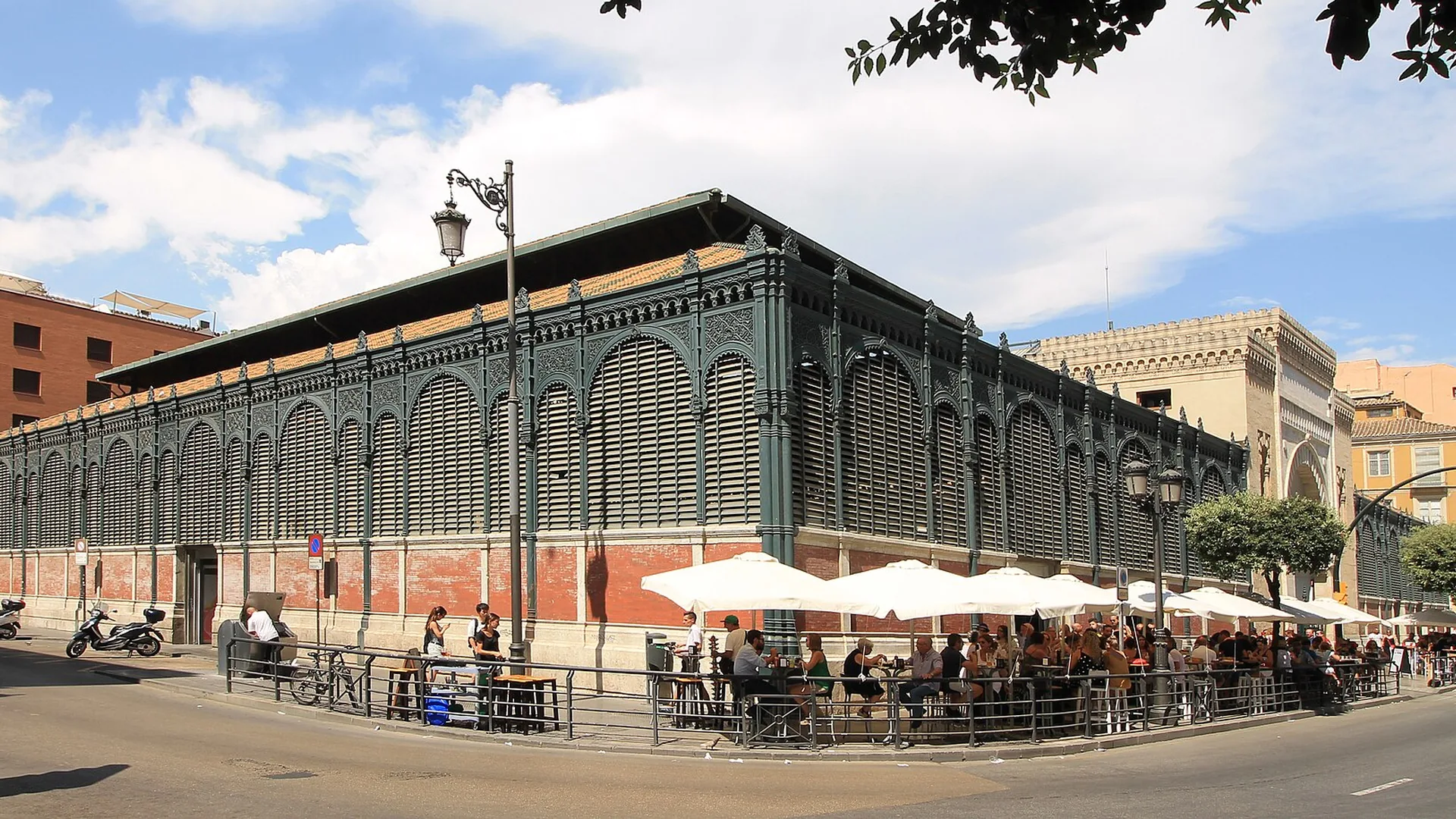
Fruit, vegetables, fish and meat are best bought at the market hall (mercado municipal) or the small shop in your neighbourhood. The quality is good, prices for seasonal produce are low, and after a few weeks people know you. Markets are open in the morning. Small shops take the afternoon break; plan errands there before 2 pm or after 5 pm.
Public holidays and festivals
Spain has three levels of public holidays: national, regional and two local ones that each municipality sets itself. That is why everything can be closed in your town while ten kilometres away people are working as normal.
- National, among others: New Year’s Day (1 January), Epiphany (6 January), Good Friday, Labour Day (1 May), Assumption Day (15 August), National Day (12 October), All Saints’ Day (1 November), Constitution Day (6 December), Immaculate Conception (8 December) and Christmas (25 December).
- Andalusia: Día de Andalucía on 28 February, plus Maundy Thursday.
- Canary Islands: Día de Canarias on 30 May, plus a separate holiday for each island.
26 December and Easter Monday are normal working days in Andalusia and the Canary Islands. Presents are traditionally given on 6 January, and the evening before, the Three Kings parades move through the towns. If a holiday falls on a Tuesday or Thursday, many take the day in between off (puente); offices are then thinly staffed and trains are full.
Then there are the big festivals: Holy Week (Semana Santa) with its processions, the Feria in spring or summer, and carnival in the Canary Islands. During these weeks the city is in a state of exception, and you are better off postponing appointments. The article Festivals in Andalusia gives an overview.
Making contacts: how a circle of friends forms
Social life takes place outdoors: in the bar, on the square, in the club. You get invited to people’s homes less often and later than in Germany. That is not rejection, people simply meet elsewhere.
Spaniards are open and warm, but often have a fixed circle of friends from school and family. You get into this circle through regularity: the same sports class, the same bar, the same language exchange, week after week. Ways that work:
- sports clubs, gyms, running and hiking groups, padel
- language exchanges and language courses
- coworking spaces, if you work remotely or are self-employed
- courses run by the city and neighbourhood cultural centres (centro cívico)
- parent groups at school and nursery, if you move with your family
- groups of other newcomers to start with
Groups in your own language are helpful at first, because someone there has already had your questions. But don’t stay only there. With Spanish friends you learn the language faster and understand the country better. Also expect a low after a few months, when the novelty wears off and the circle of friends is still missing. That is normal and it passes.
Frequently asked questions
Can you get by in everyday life in Spain with English?
Partly, in holiday resorts and in international work environments. Not reliably with authorities, doctors, tradespeople and landlords. If you want to stay, you should learn Spanish, ideally before you move.
Does the siesta really exist?
The midday break for shops exists, especially for small shops and in smaller towns. The idea that everyone sleeps is a cliché: most people have lunch during this time. Supermarkets and shopping centres are open all day.
Are shops open on Sundays?
Generally not. There are exceptions in holiday resorts, on certain Sunday shopping days and for small neighbourhood shops. Bakeries and bars are open on Sundays too.
Do I need Bizum?
It is not compulsory, but almost indispensable in everyday life as soon as you exchange money with private individuals. You need a Spanish bank account and a Spanish mobile number.
How long does it take to feel at home?
It is different for everyone. In our experience it depends on two things: how quickly you can hold a conversation in Spanish and whether you have fixed appointments during the week where you see the same people again.
Sources
- INE: Encuesta de Presupuestos Familiares 2025 (household spending)
- Ministry for Digital Transformation: broadband coverage report 2026
- DGT: driving licences from the EU and EEA
Last updated: October 2026
Cover image: Luis García (Zaqarbal) · Wikimedia Commons · CC BY-SA 4.0
Free
The moving checklist as a PDF (in German)
All steps in the right order to tick off. Plus the key tips by email over the next weeks (in German). Free, unsubscribe at any time.